AGP Executive Report
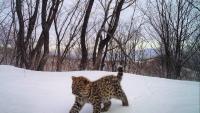
Last update: 5 hours agoWildlife Recovery: Amur leopards are returning to Russia’s Ussuri Nature Reserve after more than 50 years. Eight cats have moved into the area since 2023, and researchers have identified the first pairs. Roads, railways and farmland still limit their movement. Environmental Management: A new report tracks circularity, ecosystems and climate adaptation across Russia’s regions and cities. Separately, eight waste-management facilities have opened in Russia since the start of the year. Corporate Climate Impact: Tatneft ranked best in the oil and gas sector for low climate impact in a new Russian carbon-footprint rating.
Note: AI summary from news headlines; neutral sources weighted more to help reduce bias in the result. Feedback is welcome. Please let us know if you have any comments or suggestions about the AGP Executive Report.

 Perspectify News